

How to Control Purslane in Your North Texas Lawn
Purslane doesn’t just hurt the appearance of your lawn, it competes with healthy grass for water, nutrients and space. When left untreated it forms dense mats that crowd out turfgrass, leaving bare spots and uneven growth. Over time, this can negatively impact curb appeal and the overall value of your property.
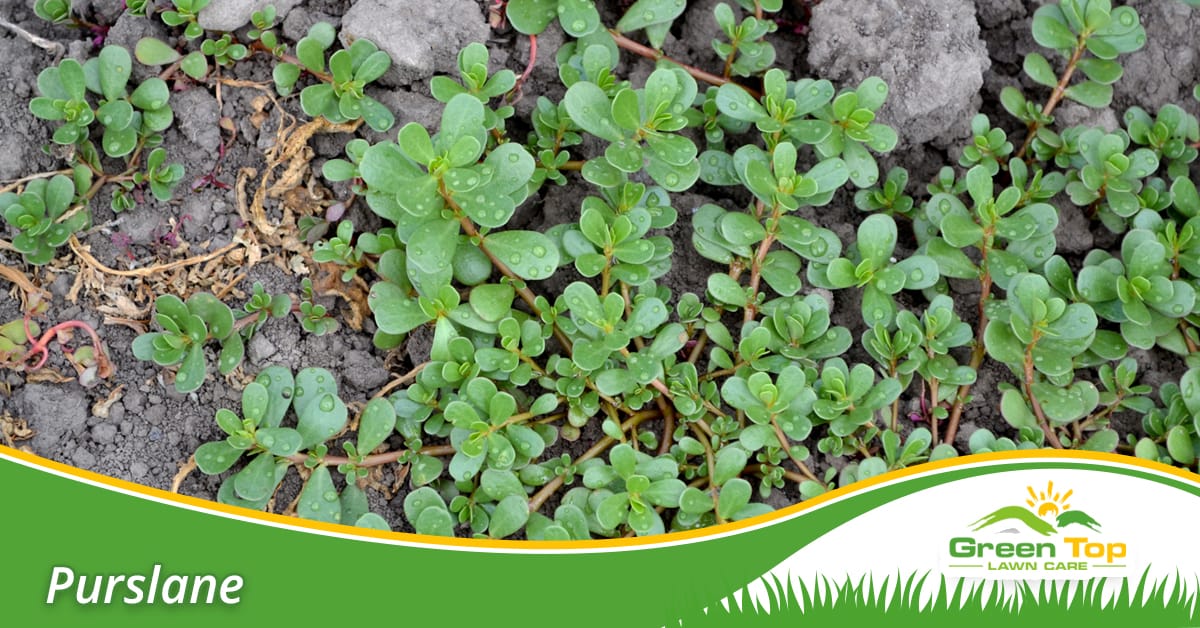
Purslane Identification and Growth Habits
Purslane is a low-growing, broadleaf annual weed commonly found in North Texas lawns and landscapes. It thrives in hot, dry conditions and poor or compacted soils, making it especially aggressive during the summer months. Though sometimes mistaken for harmless ground cover, purslane is a persistent weed that spreads rapidly when left unchecked.
You can identify purslane by its thick, reddish stems and smooth, fleshy, oval-shaped leaves. It grows close to the ground in sprawling mats and produces small yellow flowers that quickly go to seed. In fact, each plant can produce thousands of seeds, allowing purslane to reappear year after year.
Because it grows low and spreads outward, it often escapes mowing and continues to expand unnoticed until it has become well-established and very obvious. Understanding how to control weeds year-round is essential to preventing purslane from becoming a recurring problem in your lawn.
Purslane Weed Control and Prevention
Successfully controlling purslane requires a combination of treatment, lawn care practices and the right timing. Whether you’re seeing a few patches or widespread coverage, these methods can help eliminate purslane and prevent it from returning.
Manual Removal
Small patches of purslane can be pulled by hand, especially when the soil is moist. Be sure to remove the entire plant (including its roots), as broken stems left behind can re-root and continue growing. For larger infestations, manual removal quickly becomes impractical.
Targeted Herbicides
Selective broadleaf herbicides containing ingredients like 2,4-D, dicamba or metsulfuron are effective against purslane when applied properly. Applications are most effective while the weed is actively growing, and before it produces seed. Always follow label instructions carefully, or rely on Green Top Lawn Care professionals to ensure safe and effective treatment.
Cultural Lawn Care
A thick, healthy lawn is your best defense against purslane. The proper mowing height, deep but infrequent watering, and consistent fertilization help turfgrass crowd out weeds naturally. Soil aeration can also improve the compaction issues that allow purslane to thrive. Our North Texas lawn fertilization services are designed to strengthen your lawn and improve its natural resistance to weeds.
Pre-Emergent Prevention
Prevent purslane from sprouting by applying a pre-emergent herbicide in late spring or early summer, depending on soil temperatures. Products containing prodiamine or dithiopyr can stop purslane seeds from germinating and reduce future infestations. Green Top Lawn Care can help determine the correct pre-emergent for your lawn and the ideal timing of applications.
Frequently Asked Questions About Purslane
Why Does Purslane Thrive so Readily in North Texas Landscapes?
Purslane thrives readily in the intense Texas sun and tolerates drought conditions far better than most desirable landscape plants, giving it a competitive advantage. Purslane’s ability to root from stem fragments and produce thousands of tiny seeds makes it exceptionally difficult to control once established.
When Is the Optimal Timing for Treating Purslane?
Optimal pre-emergent timing for purslane is early spring, in March or April, before soil temperatures consistently reach 60 degrees, which prevents purslane seed germination and reduces infestations. Post-emergent treatments work best on young Purslane plants in late spring or early summer before they become established and woody.
Should I Hire a Professional for Purslane Management?
Hiring professional lawn care services can help efficiently eliminate large purslane infestations. For persistent or widespread Purslane problems, professional management often proves more cost-effective and successful than repeated DIY attempts.
Partner With Professionals Who Know North Texas Lawns
Controlling purslane in North Texas takes more than a one-size-fits-all approach. Soil type, lawn variety and local climate all play a role in how weeds develop and how treatments perform. Working with professionals that understand North Texas lawns makes a difference. If purslane is taking over your yard, Green Top Lawn Care is here to help. Call (817) 684-4044, or request a free quote today to get started on a healthier lawn.


