

If your once-green, vibrant lawn has started developing brown patches or thinning out, you could be dealing with a grub infestation. These pests work beneath the soil and leave extensive damage in their path, but professional grub treatment services can stop that damage in its tracks.
With more than 15 years of experience, Green Top Lawn Care provides customized solutions designed for North Texas lawns, and grub treatment is one of our specialties. Here are some of the telltale signs it’s time to call our team.
6 Signs of a Grub Infestation You Shouldn’t Ignore
Many Tarrant County homeowners mistake grub damage for stress caused by drought or lawn disease, and end up not getting the treatment their turf needs. Since grubs feed beneath the soil, an infestation can quickly turn a healthy lawn into one that’s filled with brown or thinning patches. Thankfully, by being aware of the early warning signs of an infestation, you can treat the problem before it spreads and causes more extensive damage.
1. Brown Patches
Brown patches are one of the first and most obvious signs that grubs have taken over your lawn. Unlike drought stress (which can improve with proper irrigation), grub-damaged grass will not recover because the pests have eaten the root system. If your attempts to restore brown spots in your lawn have failed, grubs could be the underlying cause.
2. Turf Lifts Up Easily
A healthy lawn has a strong root system that’s firmly anchored in the soil. Grubs feed on grass roots and this weakens the turf, causing it to become loose and separate easily from the ground when examined. So if sections of your lawn feel loose or lift up with minimal effort, that’s a sign that grubs may be active below the surface.
3. Soft, Spongy Grass
When you walk across the lawn your grass should not feel soft or bouncy, it should feel firm and stable underfoot. But when grubs munch on the root system, they weaken the foundation that connects it to the soil, and this can cause grass to separate from the ground. If parts of your turf feel spongy or soft (especially when combined with brown or thinning patches), then a grub infestation could be to blame.
4. Damage Continues to Spread
When left untreated, grubs and the damage they cause can spread quickly. As pests continue feeding on your lawn’s roots, the isolated brown, thin or soft patches can expand to create a widespread problem. Learning how to keep grubs out of your lawn can minimize the risk of future infestations and ensure your grass remains healthy all year long.
5. More Animal Activity
While you might enjoy sharing your property with wildlife, if you notice more animals in your yard than usual, it may indicate you’ve got a grub problem. Armadillos, raccoons, birds and other types of wildlife dine on insects, including grubs, and may dig up your lawn while they hunt for a meal. When you notice an increase in animal activity, especially in areas where the grass is brown or thin, that’s a sign that your turf has become a feeding ground for grubs.
6. Visible Grubs
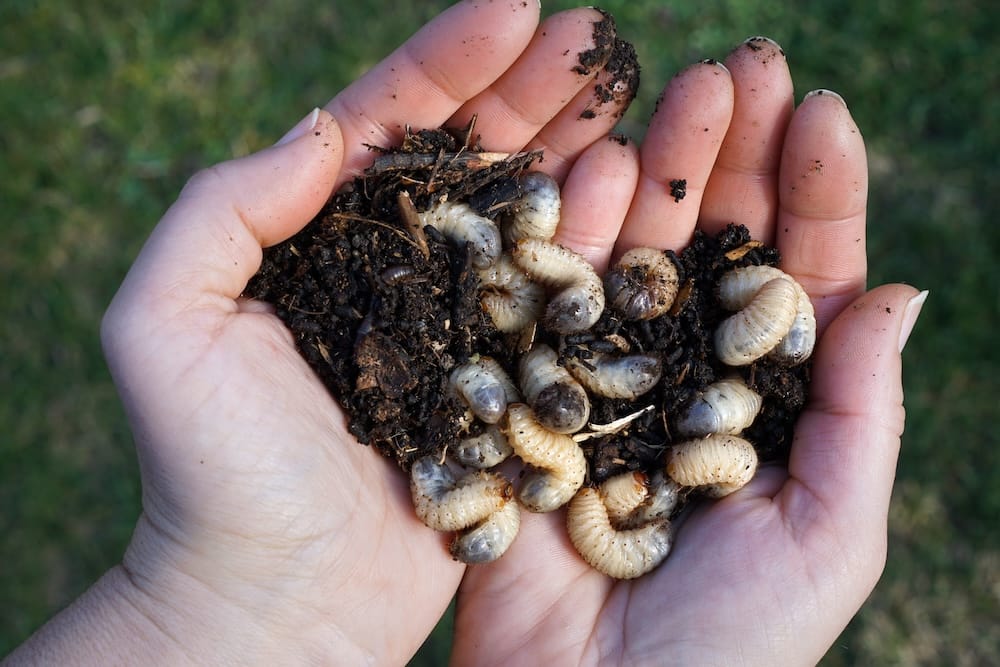
The easiest way to determine if you have a grub problem in your lawn is by performing a visual inspection. Lift up a section of damaged grass and check the soil. If you see any short, white, C-shaped caterpillars, then it’s time to consider investing in turf insect control services. Experienced lawn care professionals will perform a thorough assessment to confirm an infestation, and will apply the proper treatment to address the existing problem and prevent future damage.
Protect Your Tarrant County Lawn from Grub Damage
Don’t let grubs turn your beautiful lawn into a barren wasteland. If you’ve noticed any signs of an infestation, contact Green Top Lawn Care today. Our team of trained professionals will apply proven treatments to protect your turf, prevent further damage and keep it looking its best. Call (817) 684-4044 or request a free grub treatment quote today.


