

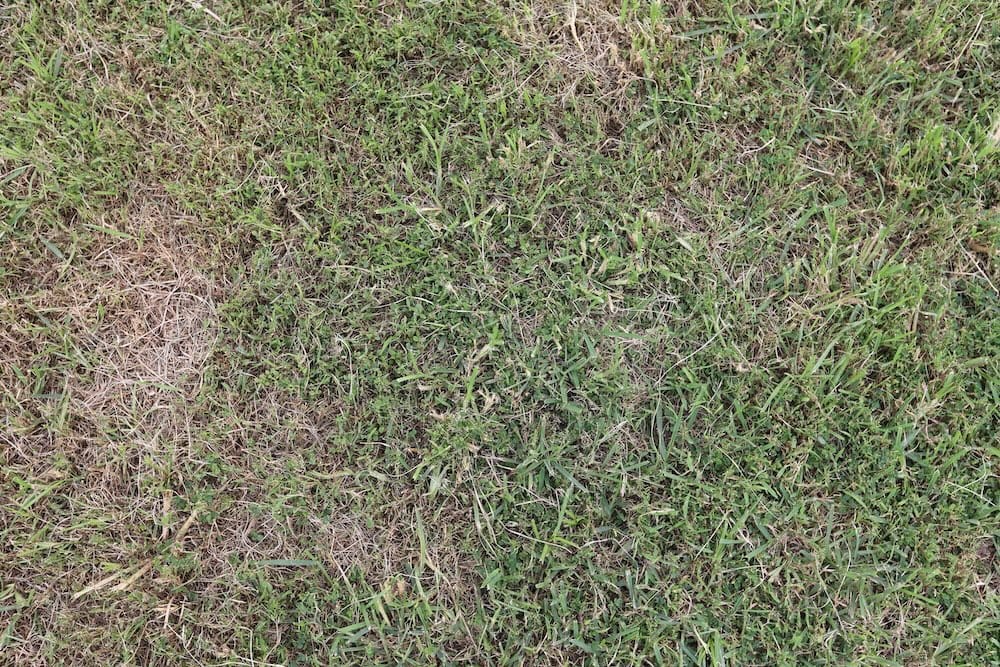
If your once-thriving lawn is thinning, developing bare spots or becoming discolored, there’s a good chance your turf is being affected by a disease. The good news is that the problem can be resolved with the help of a professional lawn care service, and with regular care, such conditions can even be prevented. And of course, you’re probably wondering what caused your lawn damage in the first place. Let’s take a closer look at the conditions that make North Texas lawns susceptible to disease.
4 Factors That Contribute to Lawn Disease in North Texas
Lawn disease is extremely common in North Texas. The combination of high temperatures, extreme humidity and periods of drought create the perfect environment for various diseases like Brown Patch, Dollar Spot and Summer Patch to thrive.
There’s nothing more frustrating than discovering that your formerly lush green lawn has fallen victim to disease. To effectively address or prevent the problem, it’s important to be aware of the factors that cause disease to take hold.
1. High Heat & Humidity
Tarrant County is known for extreme heat and humidity. During the summer months, average temperatures can soar into the upper 90s, and the relative humidity can range between 60% and 70%.
This combination of heat and humidity isn’t just oppressive for people, it’s oppressive for lawns. The spores of several fungal diseases including Dollar Spot and Grey Leaf Spot thrive in these conditions, and can quickly spread throughout your lawn.
2. Drought-Related Stress
Dry spells are common in North Texas and can last anywhere from a few weeks to several months. When water is limited, grass shifts into survival mode to conserve energy, which can damage the blades and roots. The stress caused by drought weakens grass, making it more susceptible to root rot and lawn disease.
3. Overwatering & Drainage Issues
While grass needs water to thrive, too much water can cause serious damage, especially following a drought. If you water your lawn too often, or if moisture pools up on your lawn after it rains, the roots and grass blades will not have a chance to dry out.
Over time prolonged dampness invites diseases, such as Pythium Blight and root rot. When you notice visible fungal growth, yellowing or thinning patches, or grass that easily pulls away from the ground, then it’s time to call a lawn disease treatment expert.
4. Thatch Buildup
Thatch buildup is another common factor that contributes to lawn disease in Tarrant County. Thatch creates a layer that forms between the soil and blades of grass, and is composed of grass clippings, dead roots, lawn crowns and other types of organic matter.
When thatch becomes too thick, it stresses your lawn by preventing oxygen, moisture and nutrients from flowing into the root zone. Stressed turf is more susceptible to disease, and professional lawn disease treatment may be necessary to prevent further damage.
Protect Your Euless Lawn From Lawn Disease
While lawn disease is common in North Texas, with the proper care it can be corrected or prevented. The team of professional lawn care experts at Green Top Lawn Care has the knowledge and experience you can count on to keep your turf strong, healthy and disease-free. Call (817) 684-4044 or request a free lawn disease treatment quote today.


