

How to Identify and Prevent Leaf Blight in North Texas Lawns
Leaf blight is a lawn disease that may require professional lawn care services to accurately diagnose and manage. It often causes temporary brown or straw-colored patches and is usually cosmetic. The most common leaf blight in North Texas is Grey Leaf Spot. This type of leaf blight specifically affects St. Augustine grass. Getting expert care ensures that your lawn receives the right treatment and can recover quickly.
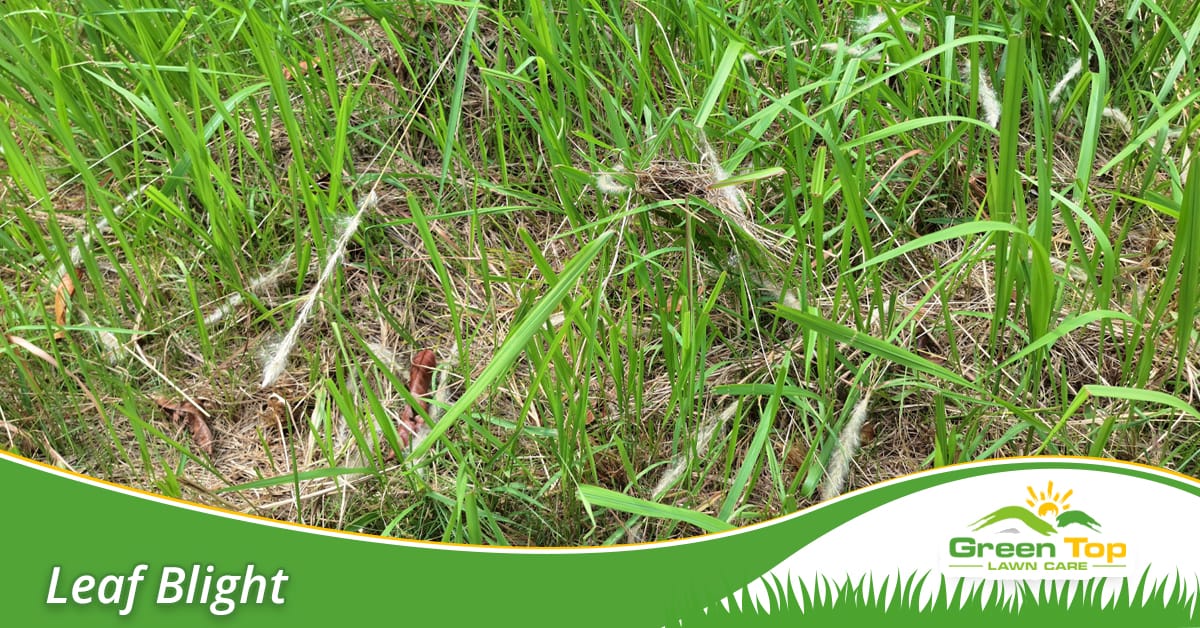
What Is Leaf Blight?
Leaf blight is a fungal disease that thrives in hot, humid weather and often appears when lawns stay wet for long periods, for instance after heavy rain or overwatering. The fungus attacks grass blades, causing bleached or straw-colored streaks that give turf a patchy appearance.
Leaf blight like Grey Leaf Spot is usually cosmetic and lawns can recover in a week or two. It can be mistaken for more damaging lawn diseases. That’s why professional diagnosis is key, especially in North Texas, where warm-season grasses are more prone to issues like brown patch.
Signs Your Lawn May Have Leaf Blight
Detecting leaf blight early can help you take action before it spreads. Common signs include the following.
- Straw-colored patches
- Bleached streaks on grass blades
- Thinning turf in affected areas
- Rapid deterioration during hot, humid weather
If you notice these symptoms, avoid mowing or heavy foot traffic in the area to reduce further stress and lower the risk of spreading the disease.
How to Prevent and Control Leaf Blight
Cultural Practices to Reduce Risk
Preventing leaf blight and other common North Texas lawn diseases starts with proper lawn care habits. While this disease can strike even well-maintained lawns, you can lower the risk by adjusting watering schedules, ensuring your lawn is irrigated early in the morning so the grass has time to dry before nightfall. Avoid overwatering, and make sure the soil drains well to prevent prolonged moisture around the roots. Keep your grass at its recommended mowing height to reduce stress and encourage stronger growth. Aerating compacted soil can also help improve airflow and circulation, making it more difficult for fungal diseases to thrive.
Professional Lawn Disease Treatments
If leaf blight has already taken hold, professional intervention is essential. Fungicide applications, combined with improved cultural practices, can help stop the disease and encourage healthy regrowth. For expert lawn disease treatment, contact Green Top Lawn Care to see how we can restore your lawn’s appearance and prevent future outbreaks.
Frequently Asked Questions About Leaf Blight
When Does Leaf Blight Occur in North Texas Lawns?
Leaf Blight (Grey Leaf Spot) is primarily a summer disease in North Texas, with peak activity occurring from June through September when conditions are hot and humid.
Which North Texas Grass Types Are Susceptible to Leaf Blight?
St. Augustinegrass is the most susceptible grass to Leaf Blight in North Texas, with ‘Raleigh’ and ‘Floratam’ showing high susceptibility. The newer variety ‘Palmetto’ demonstrates improved resistance.
Does Excessive Nitrogen Fertilization Increase Leaf Blight Problems?
Yes, overfertilization with nitrogen fertilizer significantly increases Leaf Blight severity on St. Augustine. Quick-release sources applied during hot summer months promote lush, succulent leaf growth susceptible to fungal infection.
Protect Your Lawn From Leaf Blight With Lawn Care Experts
Leaf blight can spread quickly if left untreated, but with the right care, your lawn can recover and thrive. Green Top Lawn Care specializes in diagnosing and treating lawn diseases across North Texas. Call us today at (817) 684-4044, or request a free lawn disease control quote and protect your lawn year-round.


